Showing posts with label tampa personal chef. Show all posts

Tuesday, March 11, 2014

how to stir-fry foods properly as in Chinese techniques

The Proper Way to Stir-Fry
By: Chef Cristian Feher
www.tampabaychef.com

 © The Modernist Cuisine - A hot wok.
How many times have you tried stir-frying a bunch of vegetables only to find that it tastes nothing like it does when you get it from a Chinese restaurant? If you're reading this article, I think you know what I mean... Why can't you get it right? Why does it turn out soggy? And, what are you missing?

In this article, I will demystify stir-frying, and get you on the path of hot, crunchy righteousness that will have you stir-frying like an Asian chef.

Lost in Translation

In the world of food, there are generally two schools of cooking - Asian and European. The French and Spaniards evolved, codified, and standardized, what is today commonplace "cooking" in the Americas: Pots, pans, stoves, ovens, and chef knives. Your kitchen at home, along with all the cooking stuff you're used to, most likely, can be classified as the European school. In fact, some of you may not realize that any other type of kitchen or cooking style exists.

The Asian school, however, is different. Their pots are different, their stoves are different, they don't normally use ovens, they don't all have fridges (they buy their food fresh every day), their knives are different, their tools are different, you get the idea. It's a totally different way of looking at and preparing foods. If you're from Asia, parts of the Middle East, or parts of Africa, the Asian way of doing things is probably what you're used to.

Stir-frying is an Asian method. And when someone tries to do it in a European kitchen, the finished product can end up, well... lost in translation! Vegetables that are supposed to be crisp on the outside and soft on the inside, end up soggy. Meats that are supposed to be tender and thin, end up chunky and tough. And sauces that are supposed to be silky and delicate, end up watery and overly-flavored.

Is it possible to make a proper Asian stir-fry in a European kitchen? The answer is yes, but only if you understand how an Asian chef does it.

Fire, Lots of Fire!

The first element to a proper stir-fry is the heat. Lots of heat! Foods are stir-fried over a very hot fire, thus the outside of the food sears, traps in the moisture - which steams the inside of the food. That's how you end up with a crunchy outside and steamed inside. And that's also why you have to constantly stir the food while it's cooking - as in "stir-fry" - otherwise it will burn!

Asians cook over large fires at very high temperatures. Even poor Asian homes, more often than not, have gas or wood burning stoves which get much hotter than electric stoves. Electric stoves are a North American gadget. They were built in order to take advantage of America's power grid, and because, well,  people buy them! They're not better than gas. I often tell my customers, that even the cheapest gas stove, is still better than an electric stove in terms of heat output and pleasure to cook with.

If you're cooking vegetables under low heat, what ends up happening is all the water cooks out of the vegetables, pools into the bottom of the pot, does not evaporate fast enough, and you end up boiling them in a kind of soup. Hence, that limp, soggy, soy-sauce-flavored-stew you probably end up with. All because you don't have, or didn't use, enough heat. You gotta CRANK UP THE HEAT when you're stir-frying!

It's Not an Argentinian Steak House!

Another difference between the American/Euro people and the Asians, is how they eat and handle meats. And although I could write a whole, very interesting book, on how people eat based on an event that happened 10,000 years ago in the Indo European area of the world, I will keep this brief.

Much of Europe was forested, and thus Indo Europeans hunted and ate meat as their main diet. And meat continues to be a huge part of our diet. Whereas Asians did not have as many fertile forests, and came to rely on a diet high in grains and plants instead. Meat was, and still is, eaten in much smaller portions when compared to the American/European way of eating.  (And this is also why I think different body types are made to eat different foods in different quantities for optimum health... but that would be part of that book I was telling you about).

An Asian stir-fry consists of thinly sliced, small pieces of meat, many of which have been tenderized before frying (with cornstarch, egg white, and/or protein-busting enzymes like papain). Thus making the meats soft, plump and juicy. You will notice that Asian stir-fries have pieces of cheap meat, that would otherwise be tough. But because they have been chemically tenderized, and sliced really thin, end up being soft, juicy, and enjoyable. And there's not 50Lbs of meat on your plate! It's a small amount compared to the vegetables.

Now, let's look at the average American stir-fry. You buy a bunch of chicken breasts, steak, pork, whatever. You don't tenderize or marinade them, you cut them into huge chunks, and you boil them in your "veggie stir-fry soup" for like, 15 minutes (which ends up draining the meats of all their moisture and toughens them up like bricks). So you end up with dry chunks of protein leather with a side of limp, soupy vegetables...

Before stir-frying your meats you want to thinly slice them, and marinade them for 4 to 12 hours in either one of the following: 1. Corn starch. 2. A combo of cornstarch and egg whites with a tiny bit of soy sauce. 3. Sprinkle them with some meat tenderizing powder, like papain and add a little soy sauce. Under some hot fire, this will give you those thin, juicy, tender, flavorful pieces of meat you crave if you've ever had a good stir-fry!


The Ying and the Yang

Let's say the Ying is the gentle whisper, and the Yang is a blaring rock concert!

How come my stir-fry tastes nothing like it should? I notice that many people like to flavor their stir-fries with a bunch of soy sauce, so it's overly-salted and way overly-spiced (the Yang), or they make it so bland that there is no taste (the Ying). So, what's the deal? Is there an optimum amount of soy sauce? Is there a balance between the Ying and the Yang?

Well, what if I told you that soy sauce plays a very small role in stir-fries? In fact, that is what I'm telling you. The most crucial part of a good stir-fry is the sauce. And if you master a good stir-fry sauce, the rest is easy. So, what's in a good stir-fry sauce?

A good sauce is comprised of a base, flavor enhancers, and a thickener - yes, a thickener so it doesn't turn out like soup!

The Base - is usually a good tasting stock. Chicken stock or beef stock are good. Make them yourself out of bullion so that they taste nice. That liquid stock you buy at the store is garbage - it's so watered-down and weak that goldfish could swim in it. You want to start with a nice flavorful stock. For the average stir-fry for 4 people, let's say you start out with 1 to 2 cups of warm stock (not hot, warm. I'll tell you why in a sec.)

Flavor Enhancers - these are the little ingredients that flavor your stock. They can be all sorts of combinations, but this is my go-to Chinese combination: 2 tbsp of soy sauce, 1/2 tsp of white pepper, 1 to 2 tbsp of Chinese cooking wine or sherry, 1 tsp of vinegar, 1/2 tbsp of sugar or honey, 1/2 tbsp of sesame oil. These are all ingredients you should have on hand if you want to make basic Chinese dishes. Note that Chinese soy sauce and Japanese soy sauce are totally different and should be regarded as such. It's like the difference between Ketchup and BBQ sauce in our world - two different things. Use Chinese soy sauce for this recipe. And if you want to get nit-picky, use 1 tsbp of dark soy sauce and 1 tbsp of light soy sauce.

You will also want to start out any good stir-fry by frying minced garlic, or minced ginger, or both, in peanut oil. This gives it an additional layer of flavor.

Thickener - that velvety, smooth and silky texture found in most Chinese sauces come from the addition of a starch (not a flour). Most often corn, or tapioca starch. These can be used the same. I use corn starch because that's what I have. Never mix corn starch into a hot liquid. Always into a cold or slightly warm liquid. That way it won't start to thicken until you actually start cooking it. Mix 1.5 tbsp of corn or tapioca starch into the sauce for the stir fry, and now you're ready for something good!

Wok or Pot?

Asians use curved woks, and we use cylindrical pots. And although stir-fries flow smoother in a wok, you can use a skillet - especially a non-stick skillet and still end up with a good stir-fry. I use a wok-shaped skillet with a handle for my stir-fries. It's the best of both worlds!

Remember that it's not so much the shape of the pot, it's mostly about how hot you can get it, and how much heat the pot will retain when you toss in the food. And I'm not going to get into the whole science of metals, alloys and materials here. Just make sure your cooking vessel gets smoking hot, and you put a lot of firepower under it before you start. Non-stick is a good idea!

The Order of Things

So, here's how you make a good stir-fry. Finally... I know! Follow this order, and you won't go wrong.

1. Prep all your ingredients and have them on hand BEFORE you start cooking. You should have: the sauce, mixed and ready to go, peanut oil on hand, a hot pot or wok, a little bowl of minced garlic or minced ginger (like 2 tbsp), your veggies all cleaned and chopped up ready to go, your meat separate from the vegetables, and marinated/tenderized. A wooden spoon.

2. Put your pot/wok/skillet over something hot (preferably a hot burner) and wait until it smokes. Add enough oil to coat the bottom of the pan. And from this point, commit, because there's no walking away!

3. Add the garlic and/or ginger and start stirring. You want to cook this for a few seconds in the hot oil to set the base flavor. DO NOT BURN IT. As soon as it gets a little golden colored, you go to step 4. If it gets dark brown or black, you burnt it. Toss it in the garbage and start again.

4. Add the meat, stir, fry, and cook it just long enough for the meat to cook through. It should only take a very short time because you sliced it very thin, right? Remove the meat, put in bowl, set aside. Add more oil, let it get smoking hot again.

5. Add the vegetables and stir-fry until they are crunchy on the outside and cooked on the inside. Keep stirring and tasting to figure out when they've reached that point. If your stuff is hot enough, you have steam coming off the veggies (not water pooling on the bottom), this shouldn't take longer than 3 to 4 minutes.

6. Once veggies are cooked, add the meat back in, stir, and add the sauce, stir-stir-stir! Once the sauce gets hot, it will thicken right away. Your job here is to coat all the ingredients in this wonderful sauce! Once that's accomplished, you serve the stir-fry on a platter and enjoy!

This may seem like a lot to take in, but like driving a car, once you understand all the rules, it's a smooth ride. Happy stir-frying!


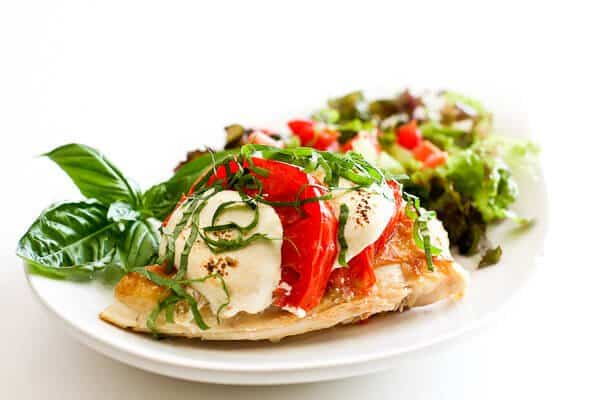


Wednesday, February 19, 2014

How to cook zucchini flowers with garlic

Garlic-Fried Zucchini Flowers

By: Chef Cristian Feher
www.tampabaychef.com


 The other day I found a little treasure at the local farmers market - a basket of zucchini flowers they had set aside. I jumped on it like (I can't think of a politically correct way to finish that sentence). Needless to say, I bought the whole basket. Zucchini flowers may be available where you live, but here in Tampa they are a rarity.

I got these home and thought they would make a good episode on my online food channel, The Hot Skillet, so we shot a video right away using these beautiful, fresh flowers. I didn't want to do the usual - battering them and deep-frying, or stuffing them. That's been done to death! But I thought that stir-frying them Chinese-style with garlic would make a great dish, and I was right! They turned out fantastic! 

Here is the recipe.

Ingredients:
  • Zucchini flowers
  • 1 carrot, julienned
  • 1 red bell pepper, julienned
  • 6 cloves of garlic, sliced
  • 1/4 cup of peanut oil (or Coconut Oil)
  • 1/2 cup of chicken stock
  • 1 1/2 tsp of corn starch
  • 1 tsp of sugar
  • salt and pepper to taste
Instructions:
  1. Wash and drain your zucchini flowers under cold water. Julienne (cut into thin strips) the carrot and peppers. Slice the garlic. Mix the sugar and corn starch well with luke-warm, or cold chicken stock (not hot).
  2. Pre-heat a non-stick wok pan or large skillet and get it nice and hot.
  3. Put oil in pan. When oil starts to smoke, add the garlic and fry for a few seconds. Keep the garlic moving so it doesn’t burn.
  4. Add the vegetables. Stir-fry for 1 to 2 minutes.
  5. Add the chicken stock mixture, toss and stir until all vegetables are covered by the sauce and are glossy – about another 30 seconds to a minute.
  6. Serve, sprinkle salt and pepper, and enjoy!

Friday, February 8, 2013

Easy romantic valentines day recipes

Easy, Romantic Valentine's Day Recipes
By: Chef Cristian Feher
www.tampabaychef.com

Ah, Valentine’s Day. A day to appreciate your significant other over a glass of wine and, hopefully, a great meal. If you plan on staying in and preparing a romantic dinner together, I have a menu below that you may enjoy eating, as much as you enjoy making (If not, give me a call, and I’ll help ;)

When I look at planning a Valentine’s day menu, I use the following criteria:
- Must be delicious, obviously
- Must be light, but satisfying
- Must be pleasing to both the male, and female palate
- Must be easy and fun to make
- Must not leave you falling asleep by dessert (the Thanksgiving Dinner Phenomenon)


Appetizer: Tomato, Lime and Shrimp Bruschetta

This is sort of a hybrid recipe between South American Ceviche and Italian Bruschetta. The tomato and shrimp mixture is fresh and light, and so are the crispy, garlicky bread croutons. It’s also relatively easy to make.

If you don’t eat shrimp, you can easily substitute it in this recipe with diced smoked salmon, or even sauteed, diced zucchini and portobello mushrooms if you want to keep it vegetarian.


Ingredients:
- Crusty French bread
- 1 dozen cooked, peeled, deveined, shrimp (large)
- 2 ripe field tomatoes
- 4 garlic cloves
- Fresh basil
- Fresh parsley or cilantro (whichever you prefer)
- 3 limes
- Extra virgin olive oil
- Salt and pepper


Instructions:

1. Turn the oven on to 400 bake. Line a cookie sheet with tin foil (remember to put the non-shiny side up).

2. Cut the crusty bread into diagonal slices, place face-up on the cookie sheet. Drizzle them generously with olive oil, sprinkle salt and pepper. Put them in the oven and cook them until they are crispy and toasted. Light brown is ok, dark brown is over-cooked, black is “start again”. Remove from oven.

3. Peel and cut a garlic clove in half. Rub the garlic clove over the top of each crispy bread slice to impart the flavor of garlic onto the bread. This is best done when the bread comes out of the oven and is still hot.

4. For the bruschetta mixture, combine the following in a bowl: Diced tomatoes, 1/4 cup of fresh chopped parsley/cilantro (remember to wash well first), 2 minced garlic cloves, chopped up shrimp, salt and pepper to taste, and lime juice to taste. Most people don’t put enough salt into this recipe, so don’t be scared! Mix well and put mixture over the bread croutons.

5. Chop up some fresh basil and sprinkle over top of bruschetta. Enjoy!


Main Course: Chicken and Steak Caprese on Wilted Spinach and Roasted Zucchini


This main course is satisfying, flavorful, and high in protein. I’ve left out the usual pasta or potatoes to lighten it up. This way, your dessert won’t act like a bowl of sleeping pills and you’ll be able to make it through dinner feeling comfortable.

I prefer steak, and my wife likes chicken. So I make this recipe with both. This meal can be made in the oven or on the BBQ grill.


Ingredients:
- 1 thin cut rib eye steak
- 1 skinless, boneless chicken breast
- 1 can of whole San Marzano tomatoes (from Italy)
- 2 green zucchinis
- 1 salad container of baby spinach
- 4 cloves of garlic
- Fresh, slices of mozzarella cheese
- Fresh basil
- Fresh or dry oregano
- Salt and pepper
- Extra virgin olive oil


Instructions:

1. Turn BBQ on and pre-heat on high. OR preheat oven to 400 roast. If using oven line a cookie sheet with non-stick foil.

2. Slice the mozzarella. Separate the juice from the canned tomatoes. Peel and mince the garlic.

3. Cut the zucchini into long strips, rub them with olive oil, salt and pepper and roast them in the oven on the cookie sheet until light brown, or grill them on the BBQ until they are soft and have grill marks. Set aside.

4. Sautee half the garlic with some olive oil in a skillet quickly without burning the garlic. Only like 1 or 2 minutes. Add the spinach and mix with the olive oil and garlic until it wilts. As soon as it wilts, add salt and pepper to taste and set aside.

5. The chicken should be butterflied or pounded out thin. If you don’t know how to do this, you can buy it as “chicken cutlets” at the supermarket. The steak should be thin (no more than an inch thick).

6. Pleace the chicken and steak on the cookie sheet OR on the grill. Top with salt and pepper, crushed San Marzano tomatoes, a couple of fresh basil leaves, a little fresh chopped or dry oregano, and a couple of slices of fresh mozzarella cheese. Close the oven door, or the BBQ lid and cook until the cheese is all melted and the chicken is cooked through (takes 15-20 minutes in my oven or BBQ).


NOTE ON BBQ COOKING:
I like to pre-heat the BBQ on high, and then right before I put my food on the grill, I’ll turn off the heating element underneath the grill I put the food on. This prevents the food from burning, and it prevents flare-ups. I then close the BBQ lid and it acts as an oven.

7. Serve the meat on a mound of wilted spinach with roasted zucchini on the side. Enjoy!


Dessert:  Warm Berries and Coconut Gelato

 
This is one of the easiest and lightest desserts I can think of. I buy Talenti brand coconut gelato at Publix - it’s really good! The warm berries make an excellent contrast with the gelato as they melt on your tongue. And it takes 5 minutes to put together.

Ingredients:
- Fresh strawberries
- Fresh blueberries
- Fresh raspberries
- 1/2 cup of brown sugar (or more to taste)
- Talenti coconut gelato (ice cream)
- Mint leaf for garnish


Instructions:

1. Wash and cut up strawberries into quarters. Combine them with blueberries and raspberries. Put them in a non-stick skillet at med-high and add the sugar. Cook them for a few minutes until they are warm and soft, and the sugar melts.

2. Scoop some coconut gelato into a bowl. Top with warm or hot berry mixture. Top with a sprig of mint and enjoy!


Tuesday, January 29, 2013

5 tricks to make your life easier in the kitchen

5 Kitchen "Hacks" to Make Life Easier in the Kitchen
By: Chef Cristian Feher
www.tampabaychef.com


 If you were to do the math - and I did - the average person spends 35 to 45 full days in the kitchen each year! That’s a lot of time. And while I’m not proposing that you try to spend less time in the kitchen - as cooking should be a relaxing and therapeutic activity - I am proposing that you make that time as enjoyable, and easy, as possible.

The following “kitchen hacks” should make time spent in your food cave a little brighter!


Save the bananas!

How often do you have to buy bananas? And how many bananas do you end up throwing out when they over-ripen? To make bananas last longer, simply pull them apart and wrap them individually  in plastic wrap (or wrap tightly in a plastic bag) this will slow down the ripening process and your bananas should last long enough for you to eat them all!

You can also refrigerate bananas. Although the skins will turn brown, the banana inside will still be good, and will last for 1 to 2 weeks in this state.


Cut Calories and Healthy-Up your Baking! 

Do you want to avoid refined oils, fats and calories in your baked goods? How about these substitutions?

When a recipe calls for butter, you can substitute with equal parts mashed avocado,  or mashed bananas. Instead of sugar, you can lower the calories by adding equal parts apple sauce. And instead of vegetable oil, you can add equal parts Greek yogurt. These substitutions may not work for all recipes, but they do work for most
.


Chill out, man!

So, you forgot to chill the white wine, and now you have guests over. What to do? Not problem, because you froze a bag of grapes after reading this article. Frozen grapes are a great way to chill a glass of wine without watering it down. Simply place large seedless grapes in a freezer bag and leave in your freezer for emergency situations. How long do they last? Until they are visibly frostbitten.


The Pot is Boiling Over!

Don’t you hate it when a pot boils-over on the stove? Aside from the messy clean-up and menacing hissing sounds, it’s just plain annoying.

To prevent your pot from boiling over, simply add a little vegetable oil to the water, and rest a wooden spoon over the pot. This will break the foam and prevent it from spilling over.


Send your herbs to Alaska!

Cooking with fresh herbs is great! Unfortunately, when you only need a pinch, you end up having to buy a whole bag at the grocery store. And what do you do with all those leftover fresh herbs? They will certainly go bad in your fridge after a few days, and you most likely end up throwing them in the garbage.

To keep fresh herbs for future use, simply chop them up coarsely, stick clumps of herbs in ice cube trays, fill them with olive oil and freeze. The olive oil will freeze solid. Every time you need fresh herbs, simply pop a cube out of the tray and use it for cooking!

I hope these tips will make time spent in your kitchen much more enjoyable. Until next time, happy cooking!

Wednesday, January 16, 2013

Gluten free bread that tastes like bread!

Gluten-Free Bread That Tastes Like Real Bread!
By: Chef Cristian Feher

www.tampabaychef.com

 "This has to have something bad in it, 'cause it tastes too good." That's what my wife said as she tried an Udi's gluten-free bagel. Finally a gluten-free baked good that, well... tastes good! 

Udi's was nice enough to send me a box with several of their products to try. And before you think "Oh ok, right, that's why he's writing this article." I want to say that this is my honest opinion.

Going gluten-free is a choice that my wife and I made a few weeks ago. And for us it makes a big difference. I've actually gone gluten-free in the past and have always been rewarded by feeling good, more energetic, and losing weight. Every time I've gone back to eating gluten (even though wheat products taste really good) I've always paid for it with weight gain, and really low energy levels.

Everyone is different. Some people are tolerant to all foods, while others are intolerant to several. Aside from soy products, and corn, wheat seems to be one of those things that many people are intolerant to - and many of those people don't even know it. They notice how tired they are, or how they've gained weight, or how they're getting skin problems, but they chalk it up to other things.

I recommend that everyone try going two weeks without eating wheat (gluten), soy and corn and see how they feel. If it makes no difference - fine. You are probably tolerant to those foods. But the rest of you may notice some positive changes. Then what you do is you start to add one item at a time and see how those foods affect you. 

Let's get back to Udi's. I tried several of their products along with my wife and very picky daughter and these are the results:

Udi's gluten-free sandwich breads (white and whole wheat) were light, airy and had a really good consistency. They taste just like regular wheat bread, and when you toast them, they have a really nice, crispy texture! A little organic butter and you're ready to kiss gluten good-bye! I've found other gluten-free breads that I've tried to be too thick, dense and heavy - especially the ones made with brown rice - and a few even taste like Play-Doh!

Udi's gluten-free brownies were very good (apparently). My wife and daughter polished off the container before I could get to them, so I have no first hand experience.

The last of Udi's gluten-free chocolate chip cookies was quite good. They are slightly soft, have a great taste and the chocolate chips melt in your mouth.

Udi's gluten-free harvest crunch muffins with cranberries, sweet potato, quinoa flour and pumpkin seeds were moist, sweet and delicious. It's surprising that they had no wheat flour.

This is the first time that I have tasted a gluten-free product that was just as good as a product made with wheat! Whether they hired nuclear physicist from abroad, or they stole a secret recipe from NASA, all that matters to me is that I can eat something that tastes good and won't make me want to go to sleep five minutes later. 

You can find Udi's products near you by checking out their website at www.udisglutenfree.com

Friday, November 16, 2012

Easy Thanksgiving dessert recipe

Easy Thanksgiving Dessert: Apple Parfait
By: Chef Cristian Feher
www.tampabaychef.com

Click HERE to watch the video
I'm driving back home across the Courtney Campbell and I'm talking to my wife on the phone. "Fox 13 asked that I come up with a dessert that is both healthy and good. Any ideas?" I asked.

My wife is not a chef, but when it comes to dessert, watch out! That little lady knows her sweets. Within seconds she came up with this delightfully tasty and healthy treat.

"Why don't you cook some apples with a little honey, cinnamon, glazed walnuts and dried fruit, and then put it in a cup with some fat-free vanilla yogurt!" And so I did! 

Different apples vary in sweetness and acidity, and different honeys have different levels of sweet. So I recommend that this recipe is done with a lot of sampling. Add a little of this or that, and taste as you until you reach a sweetness level and flavor that you like. 

Here is the recipe:

Yields: 4 servings

Ingredients:
- 6 apples of your choice (I used red organic apples)
- 1-2 tbsp of honey
- 1/2 to 1 tsp of cinnamon
- 1 tbsp of lemon juice
- 1/2 cup of glazed walnuts with dried berries of your choice (I found these in the salad section at Publix)
- A tub of fat-free, sugar-free vanilla yogurt
- Fresh mint for garnish

Instructions:

1. Core and dice your apples.

2. In a non-stick pan, cook your apples until they begin to get mushy. Then add the rest of the ingredients - minus the yogurt and the mint - and adjust the flavors.

3. Serve warm apple mixture over yogurt in a cup, and garnish with a sprig of mint!


Euro Cuisine Yogurt Maker (Google Affiliate Ad)

Cuisipro Apple Corer (Google Affiliate Ad)


Saturday, July 21, 2012

how to make raspberry vinaigrette recipe

Raspberry Vinaigrette Recipe
By: Chef Cristian Feher
www.tampabaychef.com


You can save a lot of calories by making your own salad dressings - not to mention saving money too. This is a very easy and simple recipe that you can whip together in less than 5 minutes to go with your fresh salad.

After you make this recipe, you can try it again with all kinds of different berries for a variety of different variations.

Generally speaking (and depending on what vinegar you’re using) a vinaigrette is made with 2 to 3 parts oil to 1 part vinegar. With this recipe I like to use 3 parts oil to 1 part red wine vinegar.

If you want to cut some calories from the fat (oil), you can do 1 part water, 2 parts oil and 1 part red wine vinegar. A little cold water will actually help the mixture emulsify (makes the mixture thick) and stay that way longer!

Ingredients:
- 2/3 cup olive oil
- 1/3 cup cold water
- 1/3 cup of red wine vinegar
- Honey to taste
- Salt to taste
- 6oz fresh raspberries

5. Put the oil, balsamic vinegar, honey and berries in a food processor and pulse until smooth. Or place them in a bowl and blend them with a hand blender until smooth.

Saturday, May 19, 2012

Summer grilling recipe ideas

Summer Grilling Ideas
By: Chef Cristian Feher
www.tampabaychef.com


 The mercury is rising, the birds are chirping and the sun is out. It’s time to dust off the old grill and do some therapeutic grilling.

How is grilling therapeutic? Think about it; you’re outdoors breathing in fresh, non-recirculated-unconditioned-air. The sun is turning your skin into a vitamin-D-producing laboratory. That burst of flame that shoots up at your face while you’re in there wondering why it won’t light - that’s exfoliating your skin! The charred bits of flavor leftover from your previous fiery feasts - they make you stronger, because according to the old adage, they haven’t killed you. And if that isn’t enough, your grill will actually burn the fat that drips off your food, so your body doesn’t have to. Grilling is therapy for the face, stomach and soul.

Most people look at a grill as just a grill. But did you realize that it’s also an oven (if it has a lid),  and a stove? Your grill is basically a full outdoor kitchen with which you can do a lot more than burgers and steaks. Below are a few ideas that may tickle your grilling-bone this summer.

Grill Your Lettuce!
If you’ve taken a personal chef cooking class with me in the past, chances are that you’re experienced the delight of a grilled romaine salad.  You have no idea how much flavor is hidden inside of a lettuce leaf until you put fire to it!

Cut the romaine lettuce in half, drizzle the cut side with good quality olive oil, and sear for a minute or three on a really hot grill (cut-side-down) until it begins to wilt and grill marks form. Chop it up, mix it with a garlic anchovy dressing, sprinkle with shaved Parmesan cheese, black pepper, and key lime juice for an unexpectedly flavorful Caesar salad.


Is it Steak or Pizza?
My friend Jorge made this for us in Argentina. It was one of my fondest food memories of that trip and it was insanely good - in fact, everything there was insanely good. The secret to Argentine cuisine is that they have not reinvented the mouse trap. What worked 100 years ago still works the same way today. And that antiquity in agricultural methods, farming, butchering, and cooking just happens to make every dish special, amazing, fresh and revitalizing. It’s real food.

A smoky charcoal fire. A large grass-fed sirloin steak rubbed with kosher salt and black pepper sizzles on the grill. It’s called Steak Pizzaiola. When the steak is a few minutes from perfection, you top it with a simple tomato and oregano sauce, oily sundried tomatoes, roasted red pepper strips, and sliced buffalo mozzarella. Let the cheese bubble and melt, move the steak onto a wooden board and have the lucky participants serve each other slices of this sublime dish. Fresh bread to sop up the juices left on the board? I will cut anyone who gets in my way...


You Make Your Paella in the Oven?
A paella is a traditional dish from Spain. Rice is cooked in a saffron-infused broth with your choice of meats and vegetables - the most popular being seafood, onions, peppers, capers and peas - over a coal fire in a cast iron pan called a Paellera. The unfortunate thing is that few people make it this way in North America. Most cook it on the stovetop or in the oven.

For a real Spanish paella, get a cast iron skillet, put it on a hot grill, cook your ingredients, add the rice and saffron and slowly add the stock while cooking the dish over a smoky charcoal grill, or a gas grill with some wet wood chips inside. Trust me, the smoke and cast iron make a big difference. And if you haven’t quite mastered making a paella, just hire a personal chef to teach you how ;)


Slap Some Hershey’s on the Grill!
It could be that I’m a caveman at heart, but I love to make chocolate cake on the grill. I suppose it could be an acquired taste for some, and if you think that’s you, start off by using your gas grill which should only impart a hint of smoke (as compared to a very smoky charcoal grill).  This adds a rustic undertone that makes me feel happy.

Combine 1-3/4 cups of flour, 1-3/4 cups of sugar, 3/4 cup of Hershey’s cocoa powder, 1-1/2 tsp of baking soda, 1 tsp of salt, 2/3 cup of soft butter, 16oz sour cream, 2 eggs, 1 tsp or vanilla extract. Mix it all together, put in a cake pan and stick it in the grill - if you can turn the burner off underneath the cake, good, if not - turn it down to low and close the lid. Bake for 30-45 mins, or until a toothpick comes out clean. Serve warm with a big scoop of chocolate or coconut ice cream!

If you have your own creative recipes for the grill, I would love to hear about them! You can email me at tampabaychef@gmail.com. Happy grilling everyone!


Thursday, March 22, 2012

How to cook steak

How to Make the Perfect Steak
By: Chef Cristian Feher
www.tampabaychef.com


A question that I am regularly asked is how to make a good steak. And while tastes and preferences can differ, I would like to give you a comprehensive guide to what I consider good steak.

A wise man once said that to understand life, you have to live it from the top down, and the bottom up. And having eaten steak from Poland to Argentina, I consider myself to have an understanding of beef; enough to write this article.

Finding the perfect steak will take a four-man team. Pick the fastest man as the “bull-bait” and give the strongest man the hammer. Now, remember, although cows look stupid, they are well aware of their surroundings - especially the bull. Now, when you spot your cow, it will most likely be part of a harem belonging to an individual bull. You want your “bull-baiter” to run up to the bull, smack him in the butt and start running away from you, leading the bull with him. An experienced bull-baiter will have an assortment of screams and yells to further entice the bull. Next, you’ll quickly sneak up on the harem - hold it! On second thought, this may be too purist. I’m going to take this up to the 21st century.

For most people the perfect steak begins nicely cradled on a foam tray with an absorbent diaper at the supermarket or butcher shop. Many people brag about their specialty butcher, but honestly, I love the Kirkland brand beef at Costco. It is very good. I get grass-fed Argentinian beef at my local organic food store (Nature’s Food Patch) and I find the Fresh Market to have good-quality Hereford beef. When I need superlative, high-class, I don’t-care-how-much-it-costs Wagyu beef, I order it online at exoticmeatmarket.com. So, what cut do you choose?

Cut of Steak

My three favorite cuts are tenderloin, sirloin, and rib eye.

Organic beef is better for you because it’s lacking antibiotics and growth hormones (as in regular beef which may make you fat and have your kids go through puberty at an early age) but compared to corn-fed beef, organic may lack in taste. American corn-fed beef will taste better than organic, and will be more fatty. But the best is Argentinian grass-fed beef - it’s marbled with nutritious fat, it rarely has growth hormones or antibiotics, and it will taste amazing - you’ll know it the second you put it in your mouth.

I don’t mention Wagyu beef here, because at an average price of $50 per pound, it’s not something most people would eat on a regular basis. But just so you know, Wagyu beef is super fatty, flavorful and melts in your mouth. A little about each cut below:

Beef Ribeye - The beef rib eye is the cadillac of steaks. It’s well marbled (it has a lot of fat spread out throughout the meat), it’s very flavorful (again, because of the fat and its proximity to bone), and it’s soft. When all I care about is enjoyment, I choose this cut. The juicy inner-fat melts in your mouth, while the outside fat can be cooked to a crunchy, fatty, flavorful bonus. If Elvis had invented a steak, this would be it.

Beef Tenderloin - If I’m feeling health-conscious and want to keep my fat intake to a minimum, I will choose a nice beef tenderloin steak. This is the only lean muscle on the cow that remains soft (even if you overcook it). The tenderloin is the muscle used by a bull to mount a cow. Cows don’t mount bulls, and hence the muscle is never actually used. That’s why it’s so soft. It is also a good steak for beginners, since it will still be edible if you should choose to make it “very” well-done.

Beef Sirloin - If you’re looking for a semi-soft steak with the option of lean or fat, this is it. Anatomically speaking, the sirloin was raised in the same neighbourhood as the rib eye. But while the rib eye was out partying with hot girls, the sirloin stayed home and studied. However, the rib eye grew up to be a fat guy with a menial job, while the sirloin is now fit, drives a nice car, is a good provider, and has options. The meat is lean (for when you don’t feel like eating fat), but there is fatty cap on the side that gives you the option of keeping the fat on, or taking it off. It’s definitely my go-to steak when I want to enjoy my meal, but save some money. It’s not as fun as the rib eye, but it’s still good.


How to Season

All a good steak needs is some salt and pepper. If you need steak sauce to make your steak taste good, you may need to buy better meat. If you put ketchup on your steak, you need to stop reading this and really think about what you’ve done. But actually, I sometimes enjoy a good side condiment like chimichurri, garlic butter, or spicy guacamole to augment my steak. So, ketchup guy, you can come back. I know I was a bit harsh on you. But seriously, you should stop putting ketchup on steak.

Before my steak is cooked, I like to rub it with Goya brand Adobo seasoning (which has powdered salt). And If I don’t have any of that on hand, I like to use just regular powdered salt (or popcorn salt) because it melts and permeates through the meat much better than coarse salt does. Coarse ground pepper is also rubbed in.

How to Cook It

Although I only know one way to skin a cat, there are several ways to cook a good steak. And they depend largely on how much time I have.

No time - If I have very little time to cook a nice steak, I will heat a cast iron skillet on the stove on high heat until it smokes. I will then sear the steak about 2-3 minutes per side - I like it rare. If I wanted it more cooked than that, I would sear the steak once on each side and finish it in the oven at 450 until desired doneness is reached. Or I would just keep it on the skillet longer.

30 minutes - A half hour usually gives me enough time to light up the propane grill and cook my steak on it. I don’t cook the steak directly on the flames. I turn on two heating elements on high and put the steak over the third heating element that is off. I close the lid and cook it like an oven at 500. If you have a simple grill that doesn’t allow for this, you can cook the steak directly over the flames, making sure to flip it often so it doesn’t burn.

All the time in the world - If I have a lot of time, I like to cook the steak properly in the charcoal grill. I start by making an oakwood fire, then I add charcoal, and wet applewood chips (to create smoke). I cook the steaks with the lid closed so as to smoke them at the same time. This is the best method for a perfect steak!

Don't forget to visit my Facebook page by clicking the following link:
 http://www.tampabaychef.com/tampa.personal.chef


Wednesday, February 1, 2012

Championship Baby Back Ribs Recipe
By: Chef Cristian Feher
www.tampabaychef.com


I was watching a show on the Food Network where several cooks were battling it out over BBQ pork back ribs. I observed their techniques and final products, and became very enthusiastic about wanting to be competing with them. Some were good, others were not-so-good, but one thing was for sure - I felt left out.

Feeling ready for a rib-fight, I’ve decided to pull out the proverbial white glove and slap any would-be challengers with my championship rib recipe. I’m so confident that it will knock your socks off, that I don’t mind sharing it with you.

When making the sauce, be sure to use tomato ketchup that is made with real sugar. Sugar will caramelize nicely when on the grill, high fructose corn syrup will not. Also, high fructose corn syrup is something that I always avoid eating as I don’t want to become a diabetic overnight.

If you’re a purist and would like to make your ketchup from scratch you can combine tomato paste with brown sugar, salt and red wine vinegar.

This recipe works best with a pressure cooker. By cooking the meat under pressure, the flavor of the surrounding steam combined with the herbs gets pushes into the meat, as opposed to conventional cooking methods which tend to cause the fluids to exit the meat instead. But if you don’t have a pressure cooker, you can boil the ribs for 1 to 1.5 hours in water with salt and pickling spice, until the meat gets really nice and soft.

Without further a due, I present to you a recipe that, in one hour, will produce ribs you’d swear took all day to make.

Yields: 3 racks of baby back pork ribs

Equipment Needed:
- 1 Pressure cooker (preferably electronic)
- 1 BBQ grill (I used gas to grill them for the recipe, but would use charcoal if I was competing)

Ingredients:
- 3 Racks of pork back ribs
- 1 oz of McCormick pickling spice (cinnamon, allspice, mustard seed, coriander, bay leaves, ginger, chillies, cloves, black pepper, mace and cardamon).
- salt
- water

Ingredients for the BBQ sauce:
- 1 cup of ketchup that is made with real sugar (no high fructose corn syrup)
- 1/4 cup of brown sugar
- 2 tbsp of chipotle mustard
- 2 tbsp of Japanese soya sauce
- 1 tsp of liquid smoke
- 1/2 tbsp of Tigers sauce (tamarind-based sauce)

Instructions:

1. Cut the racks into three or four sections. Put them into the pressure cooker with 1oz of the pickling spice mixture and about a tbsp of salt. Put in enough warm water to cover half the ribs. Pressure cook on high for 23 minutes.

2. Mix the BBQ sauce by whisking together all the ingredients. Set aside. Pre-heat your BBQ grill.

3. When the pressure cooker is done, let out the steam, take out the ribs and place them on the BBQ Grill. Smother them with BBQ sauce and grill until the sauce has caramelized and you’re ready to enjoy some fall-off-the-bone ribs!

Tuesday, September 6, 2011

A bomb best diffused with your mouth: Venezuelan Street Food

A bomb best diffused with your mouth: The Venezuelan Bomba
By: Chef Cristian Feher
http://www.tampabaychef.com/


View of Caracas, Venezuela at night.

Have you ever had a meal that burned itself into your memory? Can you recall the taste, the texture, the conversation? Can you feel the breeze caress your skin? Does the mention of that meal transport you back in time to that moment?

I have had several of these life-altering moments. Each of these meals were a meaningful event. A pinnacle of culinary discovery and sensation. A moment in time so thoroughly enjoyable that I snatched it from the universe and locked it away in my mind to be kept, admired, savored and remembered forever. Mine, all mine.

For some it’s the art. For others it’s the architecture or the culture. For me, it’s the food. And rightly so - food is art, and much could be known about a culture simply by its food.

We sped along a winding freeway weaving our way through the heart of Caracas. Warm air rushing into the car. The raspy sound of night traffic as people made their way to clubs, restaurants and parties was somehow soothing to my ears. The bright lights of a city that stretches out through a great valley light up the dark sky. In spite of the car exhaust and sewage, the smells of perfume, tropical plants and mountain soil all mix together to create an aroma that makes me happy. I like Caracas. I miss it.

My heart raced as we began to climb up a steep, winding road. We drove higher and higher into the hills. The air growing more cool and fresh with every turn. At last we arrived. “Calle de hambre” is literally translated to mean “Hunger street.” Rudimentary outdoor restaurants, food trucks and stands. Where Caraqueños would swarm in the late hours of the night to satiate their ravenous hunger and sober up after a long night of festivities, partying and having fun. It was 11:30pm when we arrived, the “early-bird” hour. We had all the stands to ourselves. The proprietors were busy cooking and prepping, having opened their shops only two hours ago.

Standing next to a picnic table with my friends, overlooking a city of lights below, and the stars above, is where I had my first Bomba.

A Bomba “Bomb” is not for the faint of heart. It is a marvel of engineering and a culinary feat of prowess and strength. A soft-steamed over sized hamburger bun filled with a fresh ground beef patty, fried ham steak, grilled pork shoulder, Swiss cheese, coleslaw, alfalfa sprouts, shredded lettuce, sliced ripe tomato, pickles, thinly sliced crispy onions and avocado with a fried egg thrown in there for good luck. Eating it is just as complex. As you consume this culinary juggernaut, you continuously squirt it with a combination of garlic sauce, ketchup, mustard and tahini mayo.

As I stood there looking out onto an ocean of shining lights, cradling my paper-wrapped Bomba, I distinctly recall a tear streaming down my face - a tear of joy. “This is life.” I thought to myself. If you have ever wondered how people can put up with a fascist president, communism, capitalism, inflation, rampant crime and poverty, it’s because of this sandwich - the $4 Bomba. This sandwich makes life worth living. When you’re sharing a Bomba on a breezy hill under a tropical sky, the problems of life dissipate into trivial murmurs. I doubt rapid gun fire could rip your attention away from a proper Bomba once you’ve embarked on the intricate journey of devouring it with all four sauces.

I have no recollection of how I got home that night.

This is the closest I can get to reproducing a Bomba here in America. It’s not the same without the city lights, the mountain air, the car exhaust, distant gun shots, and the company of my good friends. But it comes pretty close.

Venezuelan Bomba Recipe:

Yields: 1 big F*#@ beauty of a sandwich!

Ingredients for the Bomba:
- An over sized hamburger bun (I sometimes make bread-dough and custom bake them extra big)
- ¼ Lb of ground beef (seasoned with salt, pepper, soy sauce, and liquid smoke)
- 1 ham steak
- ⅓ cup of thin-sliced roast pork shoulder (for faster recipe, use pork tenderloin and grill with Cajun seasoning)
- Alfalfa Sprouts
- Shredded Lettuce
- Swiss Cheese
- Tomato
- Kelapo Virgin Coconut Oil
- Kosher pickle slices
- Fried Onion slices
- Coleslaw
- Avocado

Instructions:

1. If you’re baking your bun, you can use pizza dough or bread dough. These sandwiches turn out even better when the bun is warm and fresh-baked.

2. Have all your ingredients diced, sliced, and prepped.

3. Take a deep breath. Do some P90X. Buy your wife something nice.

4. Put a tbsp of Kelapo Virgin Coconut Oil on a skillet and fry your burger patty (flatten it), fry the ham steak and throw in the pre-cooked slices of roast pork.

5. Begin to assemble your sandwich and finish it off with a fried egg.


The Sauces:

This is my rendition of the sauces

Garlic Sauce: Mayonnaise with a tonne of fresh minced garlic and parsley.

Mustard: Yellow mustard.

Ketchup: Ketchup (made with sugar - don’t use the stuff made with high fructose corn syrup)

Tahini Mayo: Mayonnaise mixed with a little bit of tahini (sesame seed paste) and black pepper to taste.

Thursday, July 21, 2011

Possibly the healthiest organic vegetable soup in the world

Possibly the healthiest organic vegetable soup in the world
By: Chef Cristian Feher
www.tampabaychef.com


After spending the last little while debasing my body with fast foods, wheat products, dyes, preservatives, heavy metals, genetically modified vegetables and stimulants I feel like Axl Rose after a few months of partying, rocking out, and touring - but instead of long hair, mystery lingerie and millions of dollars, all I have to show for it is a few extra pounds, lethargy and the guilt of having added 50Lbs of non-degradable garbage into the environment.

I managed to nudge myself awake and dragged myself over to the organic grocery store where I put together the ingredients to possibly the healthiest soup that ever existed. It’s so healthy in fact, that I’m going to have to write a disclaimer.

Disclaimer: Neither this article, recipe, nor Cristian Feher himself can be relied upon as preventive, cure or treatment for any disease or medical condition. Jesus, Allah and Gautama Buddha know what I’m talking about, however, this article is solely my personal opinion and is not based on any medical fact. It is recommended that you consult with a licensed medical practitioner. If there were no disease, doctors would be out of a job. So go see your doctor before attempting anything healthy. And don’t forget to tip.

You are what you eat. I used to believe that, until I saw Ronald McDonald at a Chinese Buffet. In any case, it’s safe to assume that bad food causes or facilitates disease. At the very least, it makes you tired, fat and irritable. So the purpose of this recipe is to make you happy, healthy, and fit by providing you with all the right foods in one pot. Easy. No excuses. Your body is an engine, and if you feed it good fuel, it will drive faster, look better, and have regular oil leaks - which is good in this case.

Not only are all the ingredients in this soup free of preservatives, pesticides, stimulants, dyes, and all that bad stuff, but I’ve also gone out of my way to get two gallons of super-filtered and ozonated water at my local water filtration depot (35 cents per gallon). Using tap water to make healthy soup would make no sense - your tap water most likely contains heavy metals and fluoride (that can slow down your thyroid), chlorine, and trace amounts of pharmaceutical drugs, birth control pills, and a slew of other mystery ingredients. Think of how much effort your body has to put into getting rid of all this stuff after you eat. You’re using the little bit of energy you got in the first place, to get the stuff out of your body.

This soup has been engineered here at Chef Cristian’s Rocket Propulsion Laboratories to be a clean, crud-free, nutritious fuel so that your body can run at optimum. It has low glycemic carbohydrates (your pancreas will thank you), clean, organic, hormone and antibiotic-free meats for protein, and you will add raw green leafy vegetables just before eating to provide all the essential enzymes and minerals your body needs. In essence, it would be the ideal fuel for a healthy body.
I’m not saying I could eat this every day. But If all you ate was this soup for a few weeks, you would probably find two things would happen: 1)Your weight would start to normalize, you’d have more energy, you’d look better, feel better, and be happier, and 2) You’d get really bored of eating soup, cause this recipe makes a tonne.

Ingredients for the soup:
- 2 gallons of ozonated, super-filtered water
- 1 green organic cabbage cut into wedges
- 1 organic acorn squash cut into quarters
- 2 to 3 organic sweet potatoes whole
- 10 organic carrots cut into sections
- 1 whole bushel of organic celery cut into sections
- 1 large organic red onion diced
- 4 cloves of organic garlic minced
- 6 sprigs of fresh thyme
- 3 bay leaves
- 1 jar of Better Than Bullion brand Organic Chicken Bullion
- Fresh ground pepper and mineral salt to taste

Things to put into the soup just before eating:
- Raw green organic leafy vegetables (any)
- Pieces of cooked organic meats or fish (any)

Instructions:

1. Put all ingredients into a big stock pot with super-filtered water, bring to a boil, turn the heat down to a simmer, and simmer for 1 hour. Turn heat off, and let it cool naturally before dividing it into containers and storing it.

2. When ready to eat; heat it, add meat or seafood to it, serve it into a bowl and add chopped green veggies to it like spinach, kale, greens, etc. Enjoy!

Sunday, July 10, 2011

Indian Butter Chicken Recipe and The Origins of Indian Cuisine

Indian “Butter” Chicken Recipe and The Origins of Indian Cuisine
By: Chef Cristian Feher
www.tampabaychef.com
Indian Butter Chicken - Photo ©Cristian Feher 2011

I find that Indian cuisine is the type of food that people either love or hate. Its strong combination of aromatic spices can be intimidating to those accustomed to eating milder tasting food. But it’s intoxicating to those who love to crank the volume on taste.

Indian cuisine was born in a land where the harsh climate pushed Man to come up with ingenious ways to survive. Amongst the age old methods of survival was food preservation. As I’ve written in other articles, the advent of refrigeration is very recent. For ages back people have sought ways to preserve their food in climates where spoilage was accelerated by the ambient heat, and where food was not abundant. Although protein sources were scarce compared to the lush forests of Europe and North America, Indian culture was in a prime location - right in the middle of an ancient trade route between Asia, the middle East and Africa. And one of the most readily available goods traveled and traded along the route were spices. It was quickly proven that a high concentration of spices retarded, and even prevented in some cases, bacterial growth in food. And thus was born a cuisine of strong tastes and bold spices, not for luxury or pleasure, but for function - to keep foods from spoiling. However, as it is in every culture, the food artists (whether chefs, servants, or home makers) developed something functional into something wonderful and enjoyable, Indian cuisine as we know it today.

Butter chicken is one of the most popular Indian dishes known today by most of the world, aside from curry. The allure of this dish, in addition to its aromatic taste and rich texture, is that no two versions of butter chicken are ever the same. From restaurant to restaurant, and chef to chef, butter chicken always tastes slightly different. This is my rendition of butter chicken. By using Kelapo virgin coconut oil instead of butter I have achieved a lighter consistency and have added the slight aroma of coconut.

This recipe yields 4 servings.

Ingredients:

- 3 boneless chicken breasts

- 2 cups of diced onion

- 2 tbsp of Kelapo virgin coconut oil

- 5 garlic cloves (2 tbsp of minced garlic)

- 1 tbsp of fresh minced ginger

- 2 tsp of garam masala

- ¼ tsp of ground cardamom

- ¼ tsp of cayenne pepper

- 3 bay leaves

- ½ tsp of cinnamon

- 3 tbsp of cashew butter (or peanut butter)

- 3 cups of pureed tomato (about 5 fresh tomatoes)

- 2 tsp of brown sugar

- plenty of sea salt to taste


Instructions:

1. The first step is to prepare all of your ingredients. This means that you dice the chicken, dice the onion, mince the garlic, mince the ginger, puree the fresh, ripe tomatoes in the blender or food processor.

2. Put the Kelapo coconut oil into a deep skillet and add the onion, garlic, ginger, bay leaves, and spices (not the salt). Fry the onion until it becomes translucent (about 15 mins.)

3. Once the onion is translucent, add the chicken and fry for another 10-12 minutes. After 12 minutes, add the cashew butter and stir it really well so that it dissolves into the mixture.

4. Add the tomato, sugar, and plenty of salt to taste. Remember that it takes a lot of salt to bring out the flavor in tomatoes. When adding salt, always add a little, taste, add a little, taste, and so on. Bring the mixture to a simmer and simmer for another 20 minutes. It should thicken more as you cook down the tomatoes and evaporate the water. Serve with basmati rice, chopped cilantro and naan bread. Enjoy!

Sunday, June 19, 2011

How to make french crepes recipe video

Basic Crepe Recipe
By: Chef Cristian Feher
www.tampabaychef.com


Crepes are very versatile and stylish. You can cook them ahead, or you can prepare them fresh in front of your guests. You can even freeze them. You can serve them with sweet or savory fillings. They can be a breakfast, brunch, or even a dinner item. Whichever way you like them, this is the easiest way to make them. I hope you enjoy them as much as I do!

This recipe yields aprox 15 crepes.


Ingredients:
- 4 whole eggs
- 1.5 cups of milk
- 1 cup of water
- 2 cups of flour
- 1/4 cup of melted butter
- 1 teaspoon of vanilla concentrate

Instructions:


1. Combine all ingredients in a blender and blend until the mixture has no lumps and is very smooth. This shouldn't take much longer than a minute.

2. Pour the batter into a pitcher or empty plastic bottle and store in the fridge for at least 1 hour. This step is important because you want the air bubbles to rise to the top of the mixture. If there are too many bubbles in the batter, your crepes will split and break while you're trying to flip them in the pan.

3. Heat a non-stick skillet on medium high heat. When it's hot enough to evaporate drops of water quickly, pour in a little bit of batter (about 2 to 4 oz depending on the size of crepe you want) and swirl around once to spread the batter. Cook for for about 30 seconds and flip. Cook for another 10 seconds and remove the crepe onto a plate.

NOTE: You can store crepes by stacking them, putting them in a freezer bag or sealable container and storing them in the fridge. They will hold up in the fridge for a few days and in the freezer for a couple of weeks.